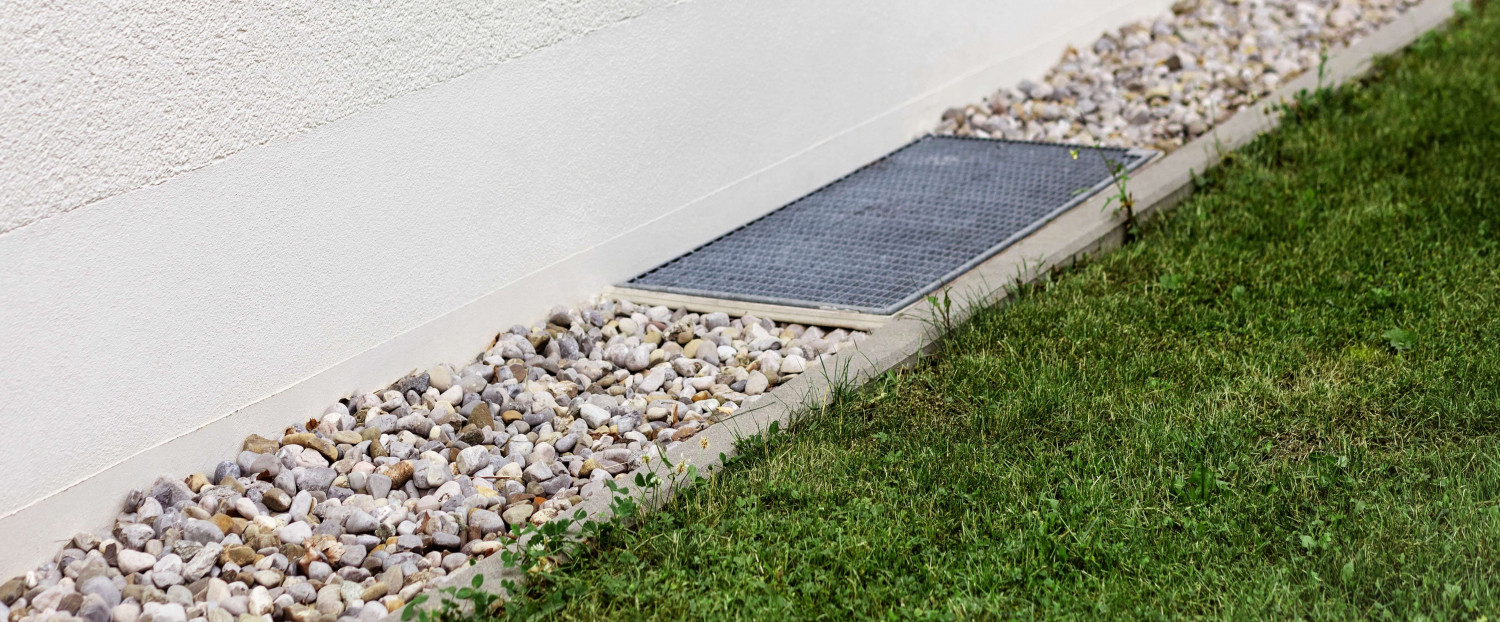
Downspout Repair & French Drain Solutions
Contact Us

The Pacific Northwest receives sustained rainfall from November through May, and when downspouts fail or drainage paths become inadequate, water accumulates against foundations and creates pressure that can lead to basement seepage and structural movement. Mystic Landscaping provides downspout repairs and French drain installations that redirect water away from vulnerable areas and toward appropriate discharge points. Properties with clay-heavy soils common throughout the Willamette Valley face particular challenges, as water penetrates slowly and often pools on the surface or moves laterally toward foundation walls instead of percolating downward.
Downspout systems fail when joints separate, sections corrode, or extensions discharge too close to the building, while French drains address subsurface water by collecting it in perforated pipe surrounded by gravel and routing it to daylight or storm drains. Both systems require proper slope and outlet locations to function correctly, and installations must account for existing grade, soil drainage capacity, and the volume of water coming off the roof during peak storm events.
Schedule a property evaluation to identify where water accumulates and determine the most effective drainage solution for your site conditions.
Downspout repairs involve reattaching separated sections, replacing corroded components, and extending discharge points at least six feet from the foundation to prevent water from flowing back toward the building. French drain installations require excavation to depth where water collects, placement of perforated pipe with holes facing downward, wrapping the pipe in filter fabric to prevent soil intrusion, and surrounding it with three-quarter-inch drain rock that allows water to move freely into the pipe.
After installation, you will notice that water no longer stands near the foundation after storms, soil along the building perimeter remains drier, and basement walls show reduced moisture staining or seepage patterns. Downspout extensions keep roof runoff away from planting beds and walkways, while French drains intercept groundwater before it reaches foundation walls and redirect it to locations where it disperses without causing damage.
Systems may discharge to daylight at a lower grade, connect to storm drains where permitted, or empty into dry wells depending on site conditions and municipal regulations. Installations in areas with heavy seasonal flow may require larger diameter pipe or multiple drain lines to handle peak volume, and outlet locations must remain clear of debris to maintain proper function throughout the rainy season.
Drainage concerns vary depending on roof size, soil type, and existing grade conditions, and the following answers address common considerations property owners face when planning these improvements.