Brush Removal & Mowing
Contact Us

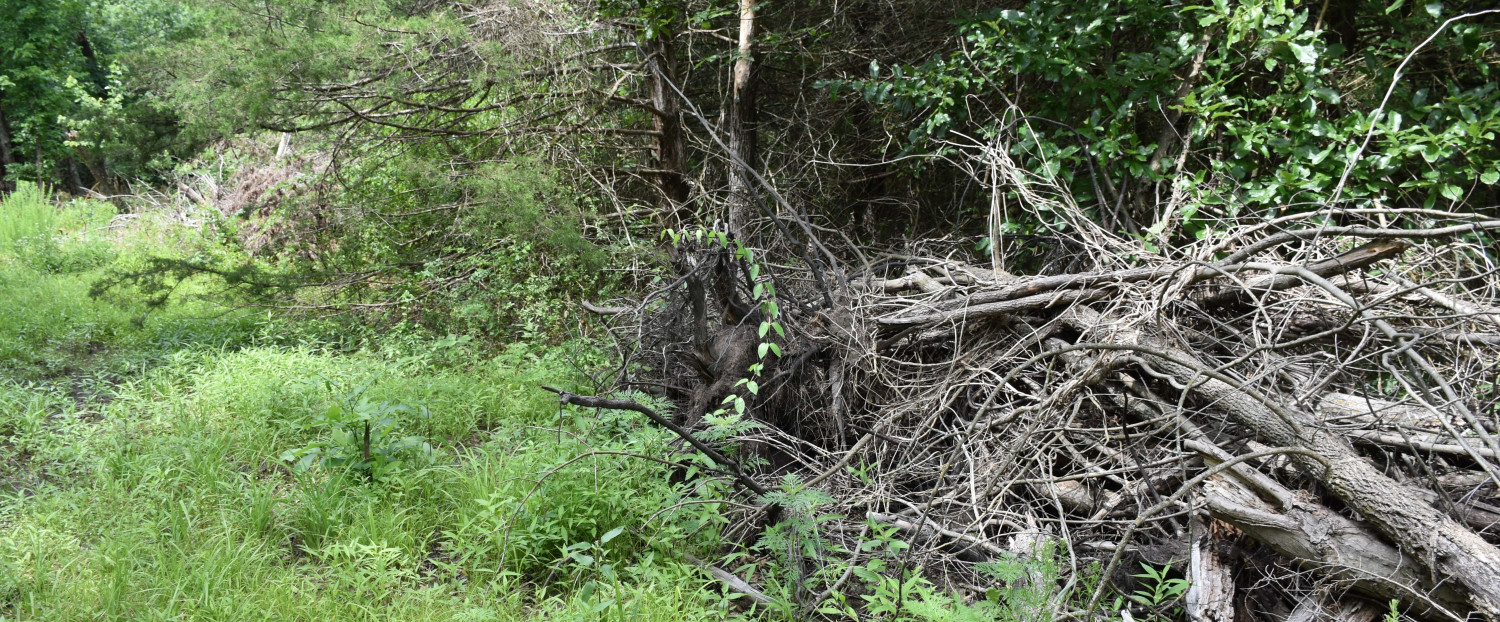
Properties in Eugene and Junction City accumulate thick brush and invasive vegetation when left unmanaged, particularly in areas with blackberry thickets, Scotch broom, and volunteer trees that establish quickly in Oregon's wet climate. Mystic Landscaping clears heavy brush and overgrown sections using equipment designed to handle dense material that standard mowers cannot process. When vegetation reaches the point where visibility is limited, fire clearance is inadequate, or the property line becomes difficult to identify, brush removal restores usability and reduces long-term maintenance demands.
The work involves cutting thick stems and woody growth at ground level, removing root systems that resprout aggressively, and processing the volume of material generated during clearing. Blackberry canes and invasive shrubs spread rapidly in disturbed soil common to rural properties, and cutting alone without follow-up creates denser regrowth within a single season. The clearing process accounts for what gets hauled away, what gets chipped for mulch, and whether stumps need grinding to prevent resprouting.
Request an on-site evaluation to determine the equipment and timeline required for clearing your overgrown areas.
Clearing heavy brush requires assessing vegetation type before selecting equipment, as woody shrubs, thorned canes, and fibrous plants each demand different cutting tools. The process starts with walking the area to identify hazards like hidden fencing, irrigation lines, or unstable ground, then proceeds with cutting in stages to manage the volume of material. Brush mowers handle growth up to several inches in diameter, while larger saplings and established woody plants require chainsaw work and stump treatment to prevent rapid regrowth.
Once the area is cleared, you'll see open ground where brush previously blocked access, defined property boundaries that were obscured, and reduced fire fuel load across the cleared section. The soil becomes visible again, making it possible to assess drainage patterns, plan future landscaping, or simply use the space for storage, recreation, or additional structures. Cleared areas also show fewer habitats for rodents and ticks that thrive in dense, undisturbed thickets.
The service includes hauling away cut material when burning is not permitted or practical, applying stump treatments to species that resprout aggressively, and establishing a follow-up mowing schedule to prevent the area from returning to its previous state. Timing the initial clearing for late summer or early fall reduces regrowth vigor compared to spring clearing when plants are actively growing.
Brush removal becomes more straightforward when property owners understand what the clearing process involves and what happens after initial work is completed.