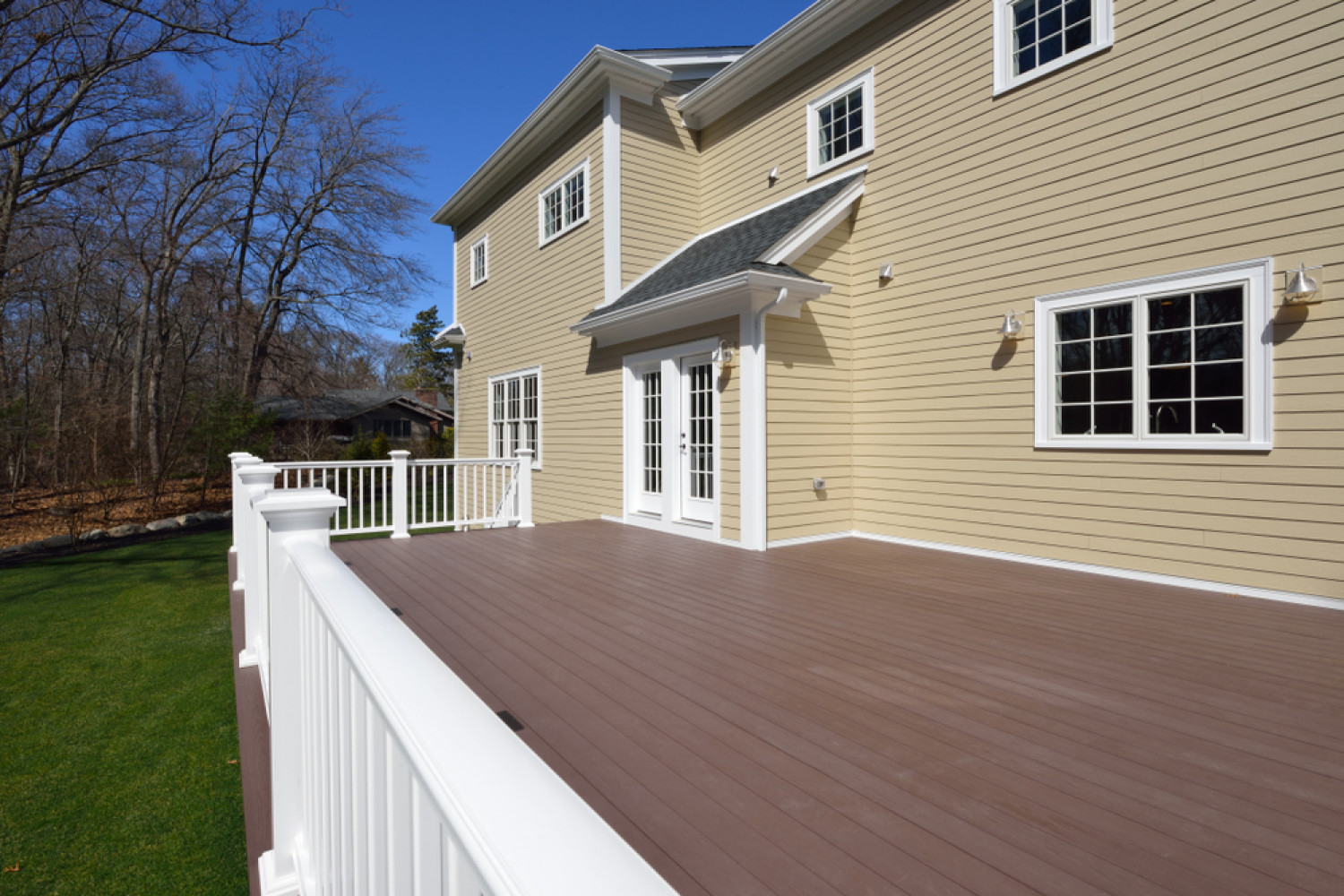
Deck Construction
Contact Us

Mystic Landscaping builds custom decks in Eugene that handle the freeze-thaw cycles, constant moisture, and temperature swings typical of western Oregon. With 17 years of experience in the region, the company designs and constructs decks using materials selected specifically for local climate conditions, whether that means choosing composite boards that resist moss growth or applying finishes that prevent water penetration during the rainy season. Property owners throughout Eugene rely on these structures for backyard gatherings, covered outdoor dining areas, and spaces that remain stable through winter storms and summer heat.
The construction process begins with site evaluation to assess soil drainage, sun exposure, and existing grade conditions that affect foundation stability. Deck framing uses pressure-treated lumber rated for ground contact, with joists spaced according to the decking material specifications to prevent sagging or warping. Posts are set in concrete footings that extend below the frost line, and ledger boards attach to house framing with through-bolts and flashing to prevent moisture intrusion behind siding.
Schedule a property evaluation to review your yard layout and discuss material options suited to your intended use.
Material selection depends on how you plan to use the space and how much maintenance you prefer to perform annually. Wood decking like cedar or pressure-treated pine requires yearly cleaning and staining to maintain appearance and prevent rot, while composite boards eliminate that maintenance cycle but require proper ventilation underneath to prevent mold growth in Eugene's damp climate. Railing systems must meet local building codes for height and spacing, with balusters positioned to prevent gaps larger than four inches.
After construction completes, you notice a level surface that drains water away from the house, railings that remain solid when leaned against, and boards that sit tight without protruding fasteners or splinters. The structure stays stable when multiple people walk across it simultaneously, and stairs provide secure footing with treads wide enough for comfortable use. Composite surfaces maintain consistent color without the weathering and grain raise that untreated wood develops after one Pacific Northwest winter.
Deck construction also includes finishing steps that protect the investment long-term. Sealing exposed wood surfaces prevents water absorption that leads to cracking and cupping, while proper flashing installation at the ledger board stops moisture from wicking into wall cavities. Some projects require integration with existing patios or stairs, which involves matching elevation changes and ensuring water flows away from all structures.
Homeowners in Eugene often ask similar questions when planning outdoor construction projects, particularly regarding materials that perform well in local conditions and construction standards that ensure longevity.